How to Teach Kids Responsibility: 12 Practical Ways
Teaching kids responsibility is less about giving lectures and more about giving them something real to be responsible for. Children learn accountability when they have clear expectations, practice useful skills, make age-appropriate choices, and experience the results of those choices.
The goal is not instant obedience or perfect work. It is a child who gradually learns to notice what needs doing, follow through, admit mistakes, and try again. These 12 practical strategies can help you build those habits at home without expecting your child to act like a miniature adult.
What does responsibility mean for a child?
For kids, responsibility means learning to take ownership of actions, belongings, commitments, and contributions to the family. It can look like putting shoes away, feeding a pet, packing a backpack, completing homework, telling the truth about a mistake, or remembering a weekly job.
Responsibility is a skill, not a personality trait that a child either has or does not have. Like cooking, reading, or riding a bike, it develops through instruction and repeated practice. A responsible child will still forget things, resist work, and make poor choices sometimes. What matters is whether they are learning how to recover and follow through.
How to teach kids responsibility in 12 practical ways
1. Give them real, age-appropriate jobs
Children learn that they matter when their work makes a genuine difference. A toddler can carry napkins to the table. A seven-year-old can empty small trash cans. A tween can manage personal laundry, and a teenager can prepare dinner or handle a household errand.
Choose jobs that are useful, teachable, and safe. Avoid inventing busywork just to keep a child occupied. Our age-appropriate chore guide provides a starting point from toddlerhood through the teen years.
The American Academy of Pediatrics recommends starting household contributions early, praising effort rather than expecting perfection, and increasing responsibilities as children mature.
2. Teach the task before expecting independence
"Clean your room" may sound clear to an adult, but it contains many decisions. A child may need to learn what belongs on the floor, where dirty clothes go, how the bed should look, and what "finished" means.
Use a simple transfer process:
Show it: Demonstrate the job slowly while naming the steps.
Do it together: Let the child complete parts with your help.
Watch them try: Stay available while the child leads.
Check and coach: Point out one improvement at a time.
Step back: Reduce help after the skill becomes reliable.
If you regularly redo a child's work in front of them, the lesson can become "my effort does not count." Set a reasonable standard for their age, then allow practice to improve the result.
3. Make expectations specific
Children are more likely to follow through when they know exactly what is expected and when. Replace "help around the house" with "put your plate in the dishwasher after dinner." Replace "be ready for school" with a short sequence: get dressed, eat breakfast, brush teeth, pack water, and put on shoes.
Define three things before assigning a responsibility:
What the child needs to do.
When it needs to be finished.
What a completed job looks like.
Clear expectations reduce arguments about interpretation and make praise more meaningful.
4. Build predictable routines
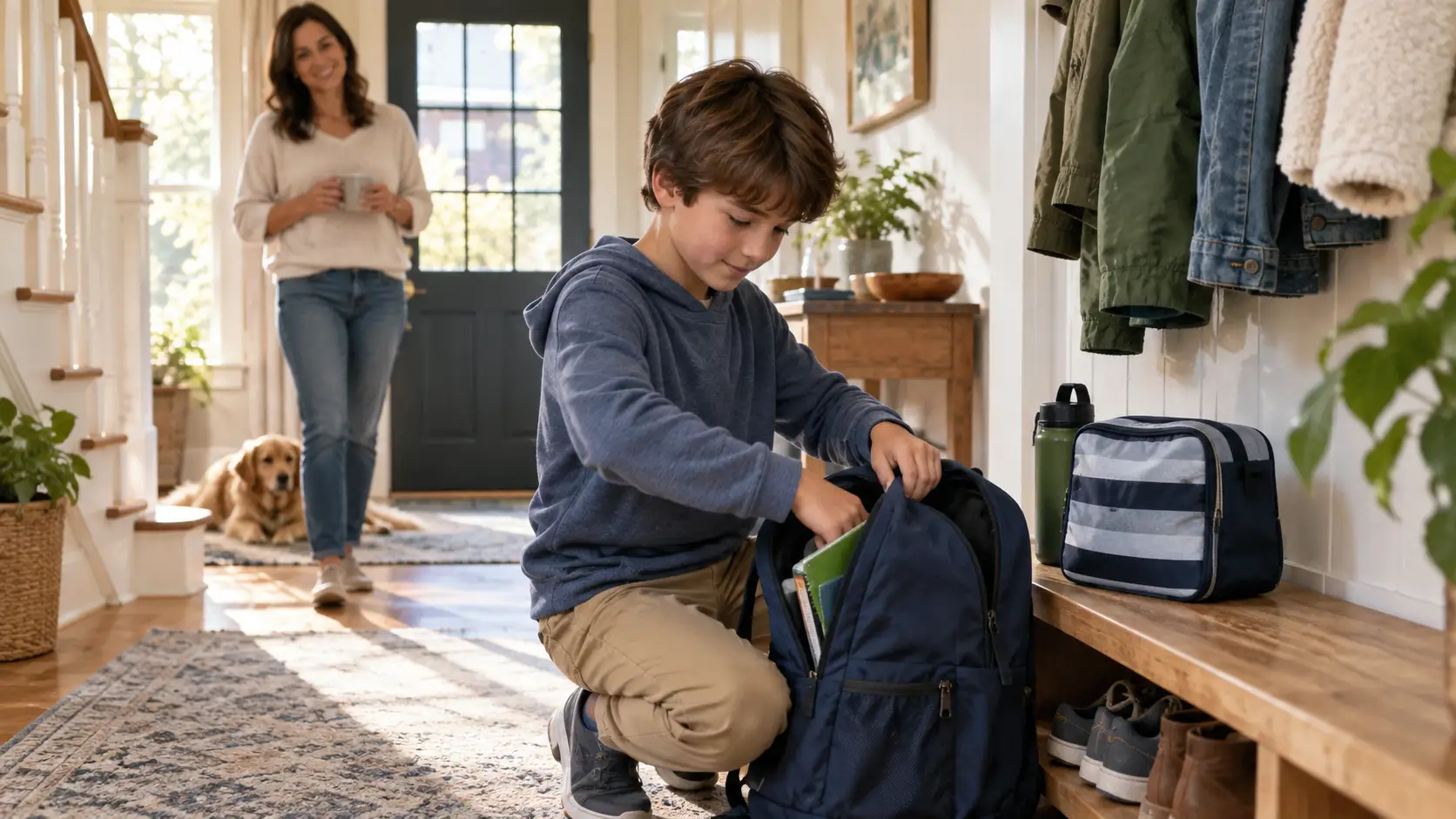
A routine carries part of the remembering burden. When backpacks are reset after school and pet bowls are filled before breakfast, children do not have to make a fresh plan every day.
Attach a new responsibility to something that already happens. Put laundry in the hamper before pajamas go on. Pack tomorrow's bag after homework. Clear the table before dessert. The American Academy of Pediatrics notes that structured routines provide stability and that age-appropriate chores promote responsibility, belonging, and contribution.
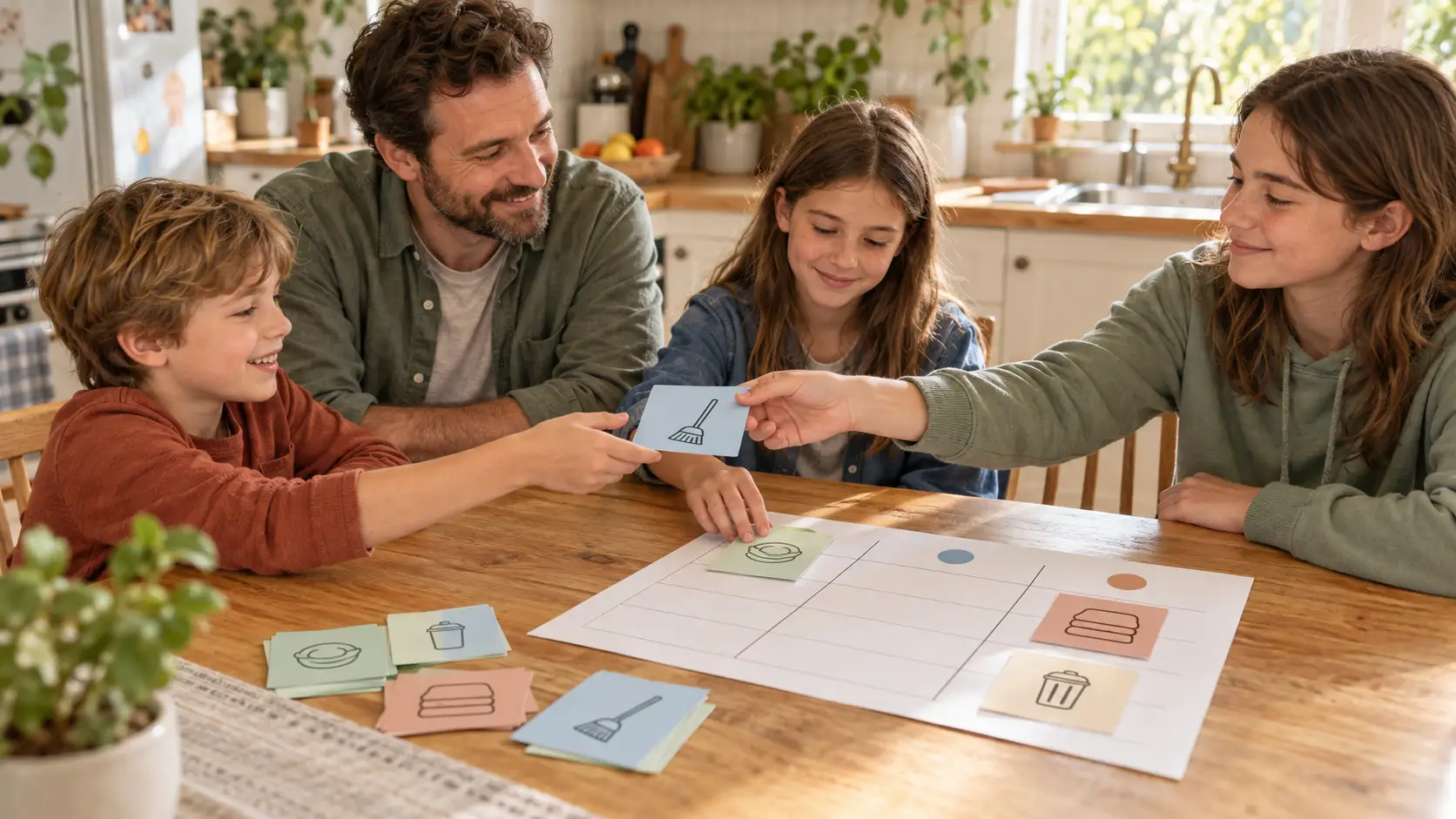
For household work, a weekly chore schedule can turn repeated parental reminders into a routine children can see and anticipate.
5. Offer bounded choices
Choice creates ownership, but unlimited choice can create negotiation. Offer two or three acceptable options: "Would you rather unload the dishwasher or sweep after dinner?" Both answers help the household.
Children can also choose the order of tasks, which day to complete a weekly job, or which larger responsibility they want to learn next. The adult still sets the boundary; the child gets a meaningful voice inside it.
6. Let safe, natural consequences happen
Responsibility becomes real when choices have understandable results. A forgotten water bottle means using the drinking fountain. Clothes left off the laundry cycle wait until the next load. A toy left outside may become wet.
Natural consequences should be safe, proportionate, and related to the choice. They should not humiliate a child or put health, education, or security at risk. When a natural result is unsafe or unreasonable, use a logical consequence instead. For example, a bike used without a helmet becomes unavailable until the safety rule can be followed.
7. Resist rescuing too quickly
It is hard to watch a child struggle, especially when fixing the problem yourself would take thirty seconds. But immediate rescue can quietly teach that an adult will absorb the result whenever a responsibility becomes inconvenient.
Pause before stepping in. Ask, "What is your plan?" or "What could you try next?" Help with the part that exceeds the child's current skill, but leave the solvable part with them. Support is still available; ownership stays where it belongs.
8. Put children in charge of personal belongings
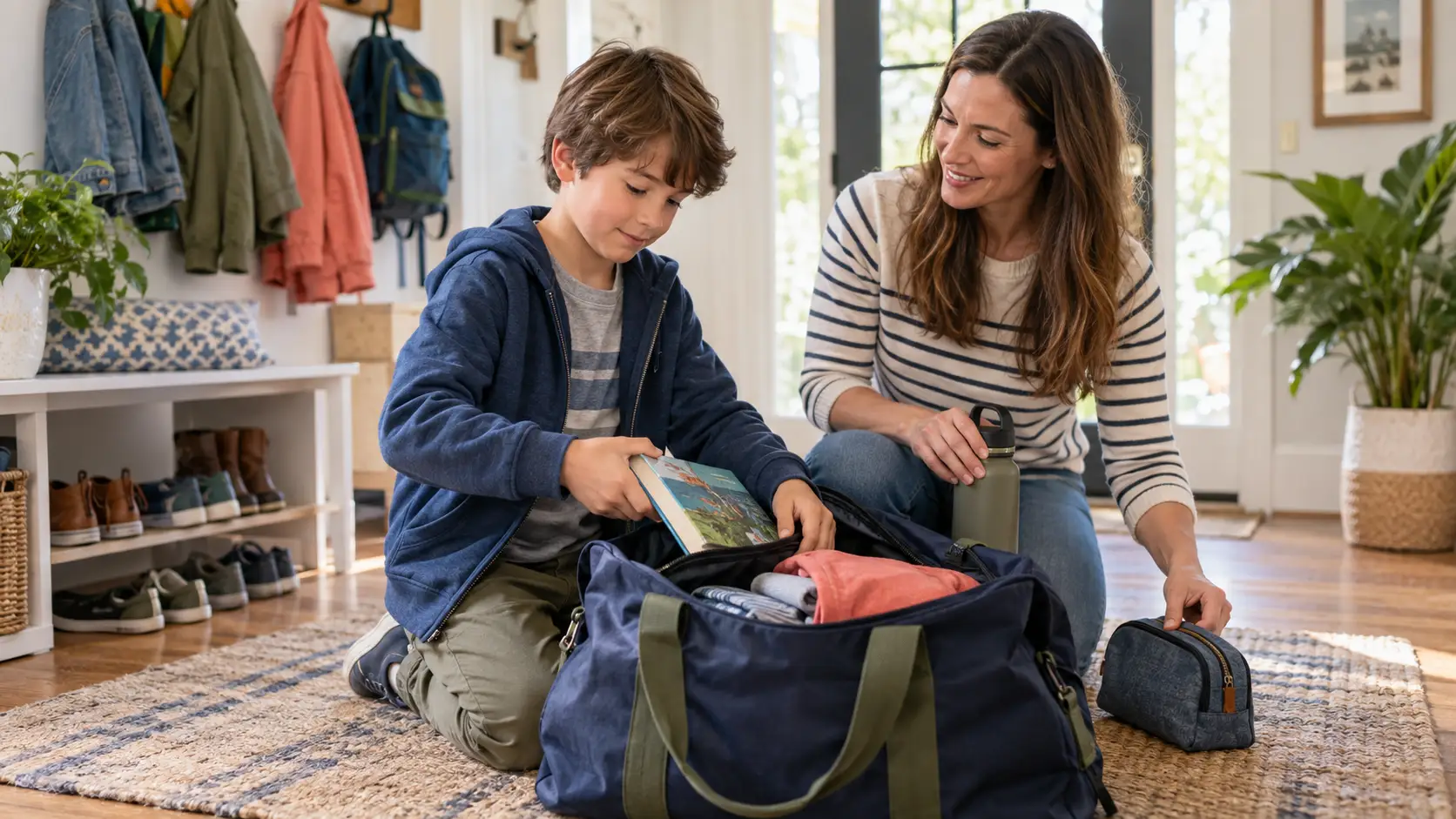
Personal ownership is a low-risk place to practice. Depending on age, children can manage their hamper, bedroom floor, sports gear, school papers, lunchbox, library books, or supplies for an activity.
Create a physical home for important items and a regular reset time. Younger children may need a picture checklist. Older children can make their own list and adjust it after forgetting something. The goal is not a flawless morning; it is a child who develops a system.
9. Include age-appropriate money decisions
Money gives children a concrete way to practice earning, planning, waiting, spending, and correcting mistakes. A child might divide allowance among spending and saving, compare prices for a wanted item, or complete optional paid jobs beyond basic family responsibilities.
The Consumer Financial Protection Bureau's Money as You Grow resources offer activities and conversation starters matched to children's developmental stages. Our guides can also help you decide whether kids should get paid for chores and how much allowance makes sense for your family.
10. Model responsibility and repair
Children watch how adults handle obligations and mistakes. Let them see you make a plan, keep a promise, finish an unpleasant task, and apologize when you get something wrong.
You do not need to perform responsibility perfectly. In fact, calm repair is powerful: "I forgot to make that appointment. I am going to put it on my calendar and call tomorrow." That shows that accountability is not about avoiding every error. It is about telling the truth and taking the next useful action.
11. Praise follow-through, honesty, and initiative
Specific feedback tells a child which behavior to repeat. "You are so responsible" is pleasant but broad. "You noticed the dog needed water and filled the bowl without being asked" connects the praise to initiative.
Notice effort during the learning stage, honesty after a mistake, and persistence when a task is frustrating. Rewards can help establish a new habit, but recognition and growing independence should remain part of the payoff.
12. Increase responsibility gradually
Do not wait for a birthday to reconsider what your child can handle. Once a task is safe and reliable, add a step or transfer more ownership. A child who packs a lunch from prepared options might begin checking supplies. A tween who folds laundry might learn to run the machine. A teen who helps cook might plan one meal.
Increase one variable at a time: complexity, frequency, independence, or planning. Adding all four at once can turn a successful child into an overwhelmed one.
Responsibility by age
Age | What responsibility can look like | Adult role |
|---|---|---|
2-5 | Put away toys, carry dishes, place clothes in hamper, help feed pets | Work nearby, use one-step directions, expect imperfect results |
6-8 | Make bed, set table, sort laundry, pack simple school items, sweep | Teach short sequences and use visual reminders |
9-12 | Manage laundry, prepare food, clean shared spaces, organize school gear | Coach planning, review results, reduce repeated prompting |
13+ | Cook meals, handle errands, manage schedules, budget money, complete home projects | Set safety limits, agree on deadlines, allow increasing autonomy |
Use age as a guide, not a guarantee. Experience, development, physical ability, attention, and the specific task all matter. For more detailed ideas, see our lists for toddlers, ages 6-8, ages 9-12, and teenagers.
Common mistakes when teaching responsibility
Expecting without teaching. Knowing a job exists is not the same as knowing how to do it.
Giving instructions that are too broad. Break an unclear responsibility into visible steps.
Correcting every detail. Separate true requirements from adult preferences.
Adding too much at once. Introduce one new responsibility and let it become familiar.
Using reminders as the entire system. Move the cue into a routine, list, or schedule.
Taking the job back after resistance. Adjust support or timing without automatically removing ownership.
Using shame. Address the behavior and repair without turning a mistake into the child's identity.
Making siblings' responsibilities identical. Fair work accounts for age, ability, schedule, and effort.
How Xtra Hands supports responsibility without more nagging
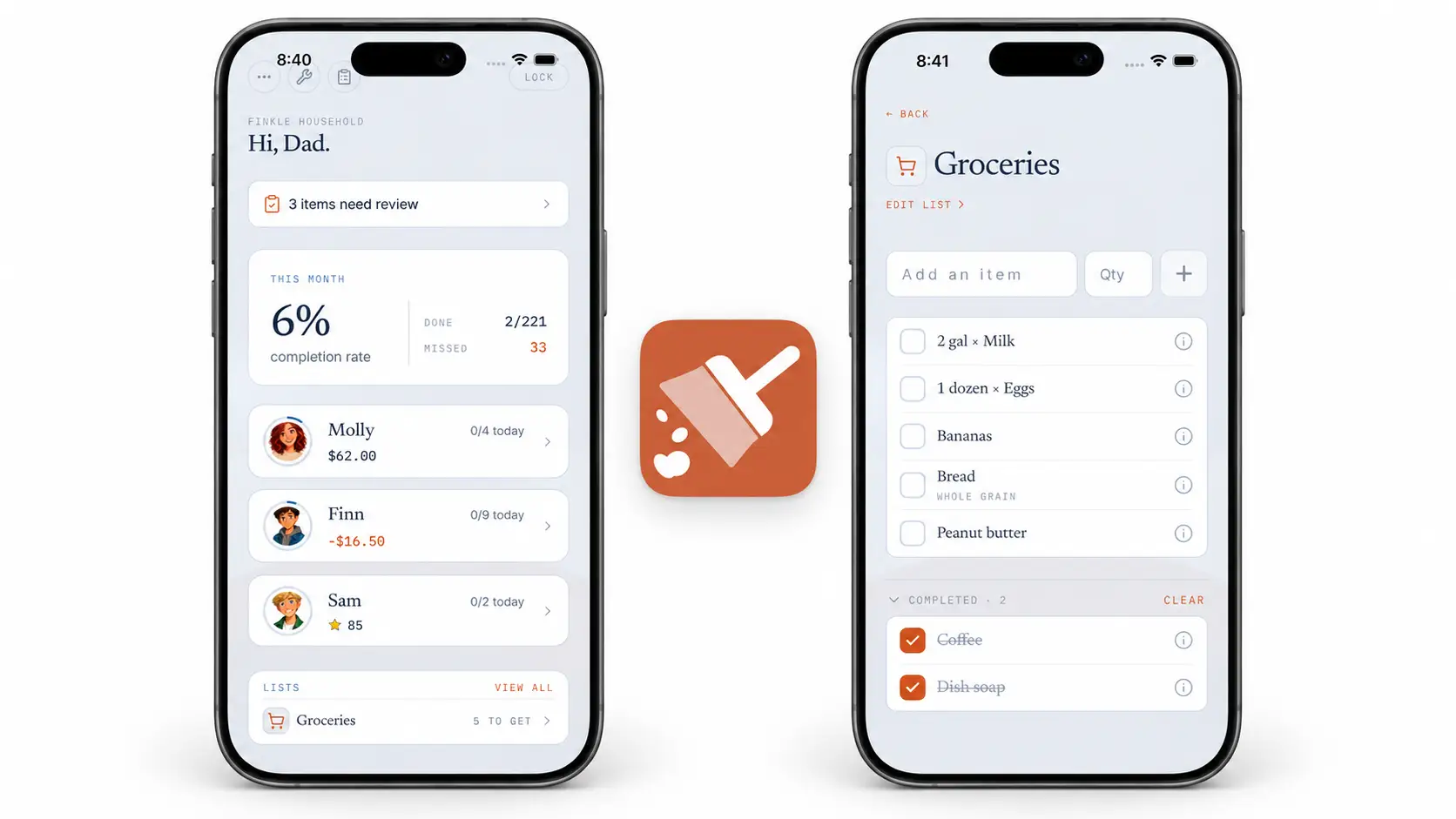
A responsibility system works best when children can see what belongs to them and parents do not have to repeat every assignment aloud. Xtra Hands lets families schedule recurring, rotating, and one-time chores, send reminders, review completed work, and use optional photo proof when a task needs checking.
Families can track unpaid responsibilities alongside money, stars, or custom rewards. Xtra Hands also syncs across iOS and Android, so a mixed-device household can share one system. The first member gets every feature free with no trial deadline, making it easy to build the routine before adding anyone else.
Frequently asked questions
At what age should children learn responsibility?
Children can begin contributing as toddlers with small tasks such as putting toys away or carrying unbreakable items. Expectations should grow with skill and maturity. Early responsibility is about participation and practice, not independent perfection.
How do I teach responsibility without constantly reminding?
Make the expectation specific, connect it to a predictable time, and use an external cue such as a checklist, schedule, or app. Teach the task thoroughly, then reduce prompts gradually instead of stopping support all at once.
Should kids be rewarded for being responsible?
Rewards can help children start a new habit, but not every family contribution needs payment. Many families keep basic personal and household responsibilities unpaid while offering money, stars, privileges, or custom rewards for extra work.
What if my child refuses to take responsibility?
First check whether the task is clear, taught, manageable, and reasonably timed. Ask what feels difficult. Then keep the boundary consistent and use a related consequence when appropriate. Persistent struggles across home and school may be worth discussing with your child's pediatrician or another qualified professional.
How can parents teach accountability after a mistake?
Stay calm, ask what happened, and focus on repair. Help the child name the impact, correct what can be corrected, and make a plan for next time. Accountability is more likely to grow when telling the truth leads to problem-solving rather than humiliation.
Start with one responsibility that matters
You do not need to redesign family life overnight. Choose one useful responsibility your child is ready to learn. Show the steps, define when it happens, practice together, and give them room to own it.
That small cycle is the real work of raising responsible kids: trust them with something meaningful, support them while they learn, and step back as their competence grows. Start organizing your family's responsibilities with Xtra Hands.