Chores for Teenagers: 30 Age-Appropriate Ideas

The best chores for teenagers do more than keep the house moving. They teach the everyday skills teens will need when nobody is reminding them to start the laundry, plan a meal, clean a bathroom, or notice that the trash is full.
A useful teenage chore list should be challenging without ignoring school, activities, work, rest, and the fact that teens are still learning. Below are 30 age-appropriate ideas, followed by a simple way to assign them without turning every Saturday into an argument.
Quick answer
Good chores for teenagers include doing laundry, cleaning bathrooms, preparing simple meals, loading the dishwasher, vacuuming shared spaces, caring for pets, mowing the lawn, washing the car, grocery shopping, and helping with younger siblings when appropriate. Start with a small mix of personal responsibilities and shared household jobs. Define what "done" means, agree on a deadline, and rotate less desirable chores fairly.
Why chores still matter during the teenage years
Teen schedules get crowded, but growing independence makes household responsibility more important, not less. The American Academy of Pediatrics explains that chores help teens develop life skills and learn that caring for shared spaces is part of family teamwork.
Chores can give teenagers practice with:
Planning work around deadlines and other commitments.
Completing a task to a clear standard.
Using household tools and appliances safely.
Noticing what a shared space needs.
Contributing even when a task is not personally exciting.
Managing money when some extra jobs are paid.
The goal is not a spotless house maintained by teenagers. It is a capable young adult who knows how a household works.
30 age-appropriate chores for teenagers
Readiness matters more than a precise birthday. Teach unfamiliar tasks first, supervise anything involving heat, sharp tools, chemicals, driving, or another child's care, and adjust expectations for your teen's abilities.
Personal responsibility chores
Wash, dry, fold, and put away personal laundry. Teach sorting, machine settings, detergent amounts, and how to read care labels.
Change and wash bed linens. A weekly or every-other-week schedule makes the expectation predictable.
Keep the bedroom floor and pathways clear. Define a basic health and safety standard without demanding a showroom.
Manage a school lunch. Depending on age, this can mean packing lunch, tracking supplies, or adding needed items to the grocery list.
Maintain personal items. Charge necessary devices, clean sports equipment, and keep school or work materials organized.
Handle a personal weekly reset. Empty the backpack, refill supplies, check the calendar, and prepare for Monday.
Kitchen and meal chores
Load and unload the dishwasher. Include putting items back in their proper places.
Hand-wash dishes that need special care. Demonstrate safe handling for knives and fragile cookware.
Clean the kitchen after a meal. Clear dishes, wipe counters, store leftovers, and sweep obvious crumbs.
Prepare one simple family meal. Start with familiar dishes such as tacos, pasta, eggs, soup, or sheet-pan meals.
Plan a dinner and build the shopping list. This adds budgeting and organization to cooking practice.
Check pantry and refrigerator staples. Track household basics and flag food that needs to be used soon.
Take out trash, recycling, and compost. Include replacing liners and returning bins after collection.
Cleaning chores
Clean a bathroom. Break the job into sink, mirror, counter, toilet, tub or shower, floor, and fresh towels.
Vacuum shared spaces. Include moving light obstacles and returning the vacuum when finished.
Sweep and mop hard floors. Teach which cleaner and amount are appropriate for each surface.
Dust furniture and shelves. Explain which electronics or fragile objects need special care.
Reset the living room. Return items, straighten cushions, clear surfaces, and tidy blankets.
Clean interior windows and mirrors. A microfiber cloth and simple method can prevent a streaky finish.
Manage household towels. Gather, wash, fold, and return bathroom or kitchen towels.
Outdoor and maintenance chores
Mow the lawn. Provide hands-on safety instruction and decide when conditions make mowing unsafe.
Pull weeds or spread mulch. Assign a defined area so the finish line is visible.
Rake leaves or clear light snow. Match the job to weather, equipment, and physical ability.
Wash and vacuum the family car. This is especially relevant for teens who share driving privileges.
Bring bins to and from the curb. Put the collection schedule somewhere easy to check.
Handle a simple home check. Test flashlight batteries, refill a water-softener bin, or report low household supplies rather than repairing equipment.
Family and community chores
Take full responsibility for a pet routine. Feeding, fresh water, walks, grooming, and supply tracking can be divided by readiness.
Help with grocery shopping. Teens can compare prices, find list items, check substitutions, and put groceries away.
Run an approved family errand. Older licensed teens might pick up groceries or library holds within agreed limits.
Help care for a younger sibling. This may mean playing while a parent cooks or babysitting when the teen is mature, willing, and properly prepared.
The American Academy of Child and Adolescent Psychiatry also recommends errands, grocery shopping, car washing, and helping with younger siblings as possibilities for older children and teens.
Sample teenage chore schedules
A good schedule distributes work instead of saving everything for one miserable afternoon. Here are two simple starting patterns.
Light daily schedule
When | Responsibility |
|---|---|
Before school | Feed the pet and put breakfast dishes away |
After school | Complete one assigned 10-minute household task |
After dinner | Clean the kitchen on assigned nights |
Sunday evening | Do personal laundry and prepare for the week |
Weekly rotation
Week | Shared-space chore | Weekend chore |
|---|---|---|
Week 1 | Kitchen cleanup | Vacuum shared rooms |
Week 2 | Trash and recycling | Clean a bathroom |
Week 3 | Living room reset | Yard work or car care |
Rotation makes the load easier to explain when siblings believe they always receive the worst job. It also prevents a teen from reaching adulthood knowing only one narrow slice of household work.
How many chores should a teenager have?
There is no perfect number. A practical starting point is one or two short recurring responsibilities plus one larger weekly chore. Then consider schoolwork, sports, clubs, employment, sleep, and any support needs.
Being busy does not erase family responsibility, but the workload should still be realistic. During exam week, a teen might keep essential daily jobs while a larger project moves to the weekend. During summer, the balance may shift.
Look at total time and difficulty, not only the number of items. "Take out the trash" and "clean the bathroom" are both one chore, but they are not equal assignments.
How to assign chores without constant arguments
Explain the household need
Teens are more likely to understand "everyone who lives here contributes" than a chore delivered as a sudden punishment. Connect the job to shared life: dinner creates dishes, pets need daily care, and common rooms belong to everyone.
Give some choice within firm expectations
Offer two or three useful options: bathroom or vacuuming, Saturday morning or Sunday afternoon, cooking or kitchen cleanup. Choice gives a teen ownership while the household still gets what it needs.
Define the finish line
"Clean the kitchen" is an invitation to disagree. A clear checklist might say: load the dishwasher, wash pans, wipe counters, store leftovers, and sweep the floor. Agree on the standard before the task begins.
Use deadlines, not endless reminders
Set a reasonable completion window. "Before you go out Saturday" is easier to manage than repeated reminders throughout the morning. A shared chore app can keep the deadline visible without making a parent the household notification system.
Teach before expecting independence
Show the full process, do it together once, then let your teen try. If the result misses the standard, point out the specific step that needs correction. Competence grows faster when feedback is about the task instead of the teen's character.
Should teenagers get paid for chores?
Families generally use one of three approaches:
All chores are expected: household work is part of family membership, and allowance is separate.
All chores can earn money: completed jobs create a direct earning opportunity.
Hybrid system: regular personal and family responsibilities are expected, while optional extra projects earn money.
The hybrid approach often gives families a useful distinction between contributing and earning. For example, a teen might be expected to manage personal laundry and take a weekly kitchen shift, but earn money for washing the car or completing a larger yard project.
Whatever you choose, make the rule clear before work starts. Our guide to building a chore reward system that works covers stars, money, privileges, values, approvals, and redemption in more detail.
If allowance is part of the agreement, our allowance-by-age guide explains how to choose an amount based on what your teenager is expected to pay for.
Using a chore app with teenagers
Teenagers usually do not need a cartoonish chart. They need a clear list they can check on their own, deadlines that fit their schedule, and a fair record of completed work.
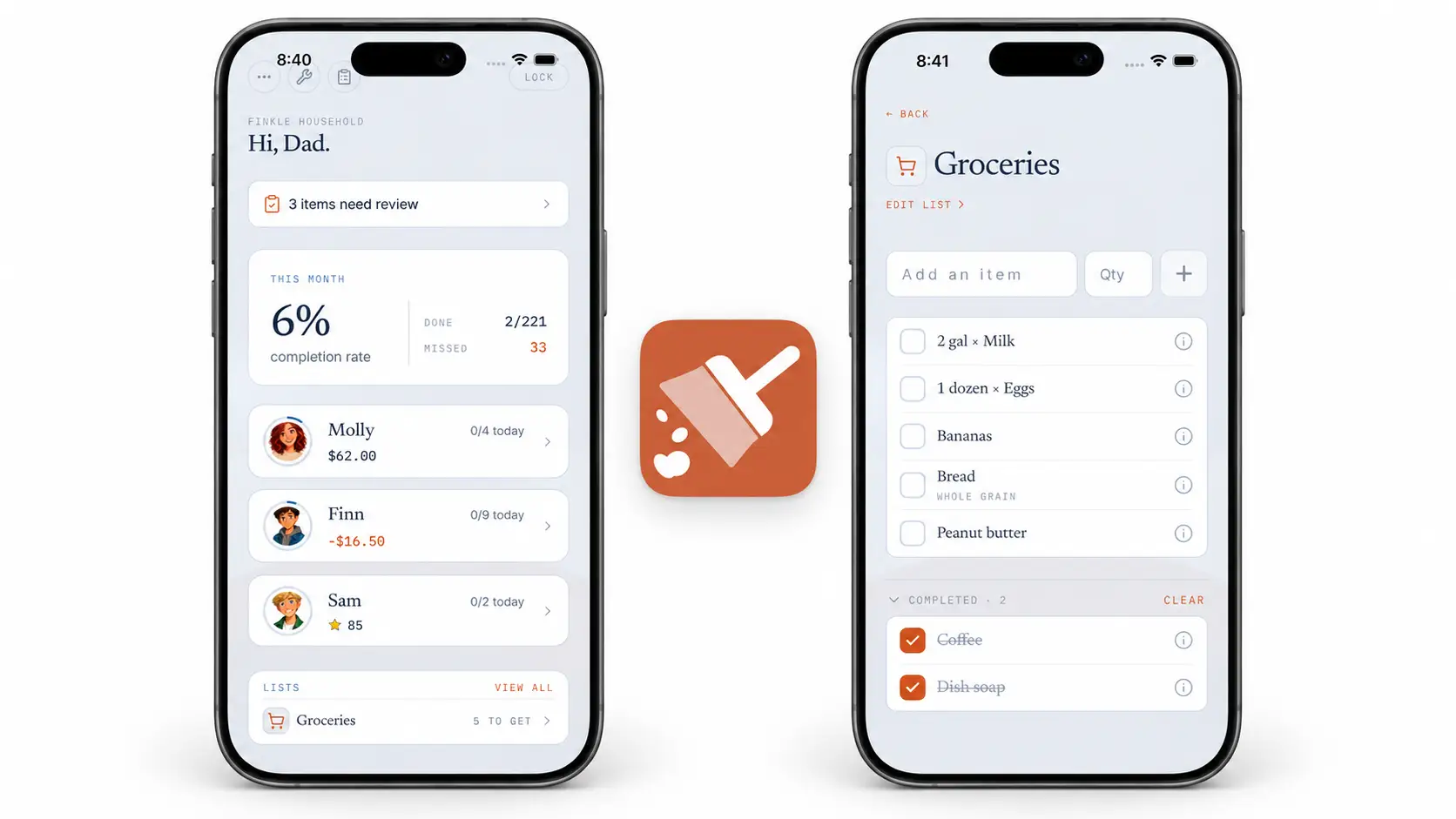
Xtra Hands can organize recurring chores, rotating assignments, reminders, parent approval, photo proof, stars, and money in one household. It gives teens visibility and gives parents a way to step back from verbal reminders.
For families managing attention and task-initiation challenges, our guide to the best chore apps for kids with ADHD explains which app features reduce memory load and make the next action clearer.
Frequently asked questions
What chores should a 13-year-old do?
Many 13-year-olds can do laundry with instruction, load the dishwasher, clean a bathroom, vacuum, take out trash, prepare simple food, care for pets, and help with yard work. Match the task to the individual teen's readiness and supervise unfamiliar equipment.
What chores should a 16-year-old do?
A 16-year-old can often manage personal laundry, cook basic meals, clean shared spaces, handle lawn or car care, shop from a list, and run limited errands if licensed. Older teens should be building the skills they will need to live more independently.
How often should teenage chores change?
Keep enough consistency for habits to form, but rotate shared chores every one to four weeks so siblings learn different skills and difficult jobs are distributed fairly.
What if my teenager refuses to do chores?
First check whether the task, standard, and deadline were clear and whether the workload is realistic. Discuss the problem calmly, offer limited choices, and use predictable household consequences tied to responsibilities or privileges. If refusal is persistent across home, school, and daily self-care, consider discussing the broader pattern with your pediatrician.
Should teens do chores during the school week?
Yes, but school-night chores can be short and predictable. Pet care, dishes, trash, or a quick room reset can fit into a busy day, while longer cleaning or yard jobs can happen on weekends.
Final take
The right chores for teenagers prepare them for real life while helping the household today. Pick a few useful responsibilities, teach the process, define what completion looks like, and leave room for a teen's growing schedule and independence.
Try Xtra Hands to assign, rotate, review, and reward family chores without carrying the whole system in your head.