Chores for 4-5 Year Olds: 25 Easy Jobs
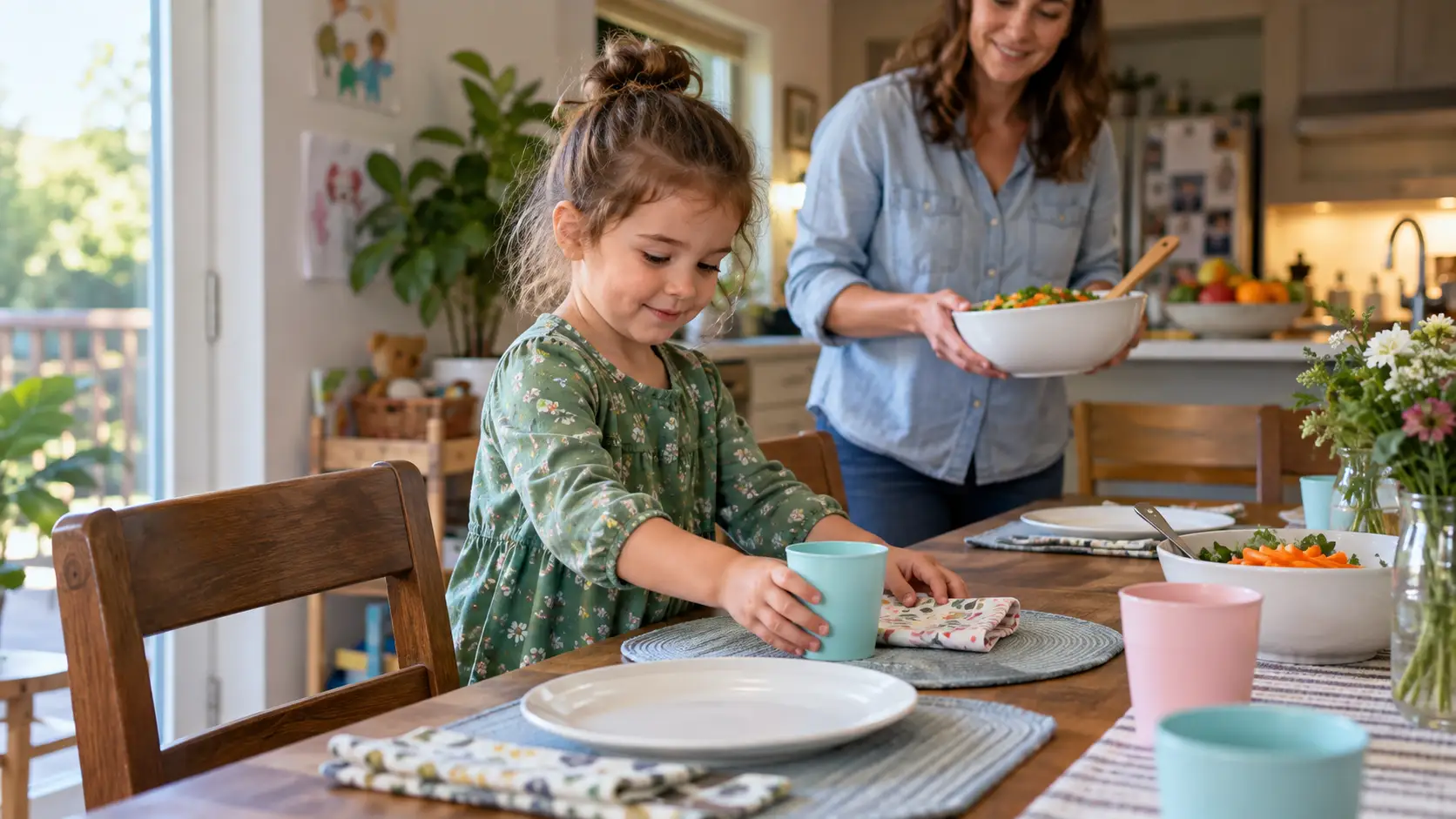
Good chores for 4-5 year olds are short, concrete, and easy to practice beside an adult. Preschoolers can put away toys, place clothes in a hamper, help set the table, feed a pet with supervision, water plants, and take responsibility for a few parts of their daily routine.
At this age, the point is not perfect cleaning or saving parents time. The point is teaching children that they can contribute, care for their belongings, and finish a useful job. This guide includes 25 age-appropriate chores, realistic expectations, safety limits, and a simple preschool chore routine.
Quick list: the best chores for 4-5 year olds
Put toys and books away.
Place dirty clothes in the hamper.
Help make the bed.
Set out napkins and unbreakable cups.
Carry a plate to the counter after meals.
Feed a pet with an adult.
Water small plants.
Sort laundry by color or person.
Match clean socks.
Wipe safe, low surfaces.
Help pack a backpack.
Choose clothes for the next day.
The American Academy of Child and Adolescent Psychiatry suggests that four- and five-year-olds can help feed pets, make their beds imperfectly, and clear the table. These are learned skills, so adult teaching and repeated practice are part of the job.
25 age-appropriate chores for preschoolers
Bedroom and personal belongings
Put toys in their assigned bins. Use broad categories such as blocks, animals, and art supplies.
Return books to a low shelf. Show which direction the spines face, but do not expect a library-perfect row.
Place dirty clothes in the hamper. Keep the hamper easy to reach.
Put pajamas in a drawer or under a pillow. Choose one consistent home for them.
Help make the bed. A preschooler can pull up a blanket and arrange a pillow.
Choose clothes for tomorrow. Offer two weather-appropriate choices when needed.
Put shoes in their usual spot. A picture or outline can show where each pair belongs.
Kitchen and mealtime chores
Place napkins at the table. Count one for each person.
Set out unbreakable cups. Keep glass, knives, and hot items with an adult.
Carry an empty or lightweight plate to the counter. Choose a safe destination away from the stove.
Wipe their place after eating. Use a damp cloth without cleaning chemicals.
Help wash produce. Let the child rinse sturdy fruits or vegetables in a low bowl.
Put simple groceries away. Assign safe items such as cereal boxes, paper goods, or produce.
Help prepare a snack. A child can place crackers on a plate, peel a banana, or stir safe ingredients.
Laundry and cleaning chores
Sort laundry. Sort by color, clothing type, or family member.
Match clean socks. Treat this as a useful matching game.
Carry folded clothes to a low drawer. Keep heavy baskets with an adult.
Dust a low shelf. Use a dry microfiber cloth on sturdy, unbreakable surfaces.
Wipe a small spill. Hand over a towel and show how to press and wipe.
Sweep crumbs with a child-size broom. Define a small area instead of the whole room.
Pick up items from the floor before vacuuming. An adult should handle the vacuum unless the child has been taught and closely supervised.
Family, pet, and outdoor chores
Feed a pet with supervision. Pre-measure food and keep the adult responsible for safety and consistency.
Fill a pet's water bowl with help. Use a small container the child can control.
Water small plants. Mark the correct amount on a lightweight cup.
Help prepare a backpack or activity bag. Let the child place known items while an adult completes the final check.
The right job depends on the child and the home. A four-year-old may be ready to set napkins but need help sorting toys. A five-year-old may manage both while still forgetting shoes every morning. Choose tasks based on demonstrated skills rather than age alone.
What can a 4-year-old do independently?
Many four-year-olds can complete a familiar one-step chore after a reminder, especially when the supplies are accessible and the task happens at the same time each day. Examples include placing clothes in a hamper, returning books, putting shoes away, or carrying napkins to the table.
Independence at four does not mean no supervision. An adult should stay nearby, check the result, and handle hazards. The child may also need help starting or returning to the task after becoming distracted.
What can a 5-year-old do independently?
A five-year-old with practice may handle a short sequence such as putting toys in bins, placing pajamas away, and choosing tomorrow's clothes. They may also take ownership of one predictable family job, such as setting out napkins before dinner or watering a specific plant twice a week.
The American Academy of Pediatrics notes that young children learn to contribute by copying everyday household work. It recommends routines, practice, guidance, and praise as children become more independent.
How many chores should a 4- or 5-year-old have?
Start with one dependable daily responsibility and occasional chances to help. Once the daily job feels familiar, add another small task. A realistic preschool routine might include:
One personal responsibility, such as putting clothes in the hamper.
One family contribution, such as placing napkins at dinner.
One cleanup routine, such as returning toys before bedtime.
The number matters less than the total effort. Three two-minute jobs may be manageable, while one vague command to clean an entire room may be overwhelming.
A simple daily chore routine for preschoolers
Time | Responsibility | Adult support |
|---|---|---|
Morning | Put pajamas away and help pull up the bedcover | Give one instruction at a time |
After preschool | Place shoes and backpack in their homes | Use the same landing spot each day |
Before dinner | Set out napkins and unbreakable cups | Keep hot, sharp, and breakable items away |
Before bed | Return toys and place clothes in the hamper | Help sort when the room is especially messy |
Attach chores to events a child already recognizes instead of relying on clock time. "Before dinner" and "after bath" are easier for preschoolers to understand than 5:30 or 7:15. For the whole household, use our weekly chore schedule guide to coordinate daily and weekly work.
How to teach a preschooler a new chore
Get at the child's level. Say the job in one short sentence.
Show the whole task. Move slowly and point out where supplies belong.
Do it together. Let the child complete the easiest step first.
Practice at the same time. Repetition helps the routine become predictable.
Use a visual cue. A photo of the finished shelf or a simple picture list can help.
Praise the contribution. Say what the child did: "You carried a napkin for everyone."
Expect to reteach. Forgetting is normal and does not mean the chore has failed.
Preschoolers often want to work beside adults. Use that interest while it is present. The job may take longer today, but the child is building a skill that can become genuinely independent later.
Safety rules for chores at ages 4 and 5
Four- and five-year-olds still need close supervision around most household hazards. Keep these jobs with an adult:
Using knives, stoves, ovens, or hot food and liquids.
Handling cleaning chemicals, detergent pods, or medicines.
Carrying glass, sharp utensils, heavy dishes, or full trash bags.
Using lawn equipment, power tools, or adult-size appliances.
Caring for a pet that is large, protective, unpredictable, or food-aggressive.
Working near traffic, water, stairs, open windows, or an unsupervised outdoor area.
Even a normally safe task can become unsafe if supplies are stored too high or the child has to carry too much. Adapt the environment with low hooks, small containers, light tools, and unbreakable materials.
Should preschoolers get rewards for chores?
Simple rewards can make a new routine visible and fun. Stickers, stars, choosing a song, picking the bedtime story, or earning a family privilege can work well at this age. Keep the connection immediate and easy to understand.
Not every chore needs a prize. Preschoolers should also hear that their work helps the family: "You put the books away, so we can find them tomorrow." Some families use rewards while a habit is new, then reduce them as the routine becomes normal.
If you are deciding how chores and money fit together later, read our guide to paying kids for chores.
What to do when a preschooler refuses
Refusal at this age often means the child is tired, distracted, unsure how to begin, or testing whether the expectation will remain. Stay calm and make the next step smaller.
Give one direction instead of a list.
Offer a bounded choice: "Books first or blocks first?"
Start together, then let the child finish.
Use "when, then" language: "When the toys are in the bin, then we can read."
Keep the standard reasonable for a preschooler's attention and coordination.
Return to the routine consistently without shaming or arguing.
For more ideas that preserve cooperation, see how to make chores fun and how to reduce nagging about chores.
Using a chore app with a 4- or 5-year-old
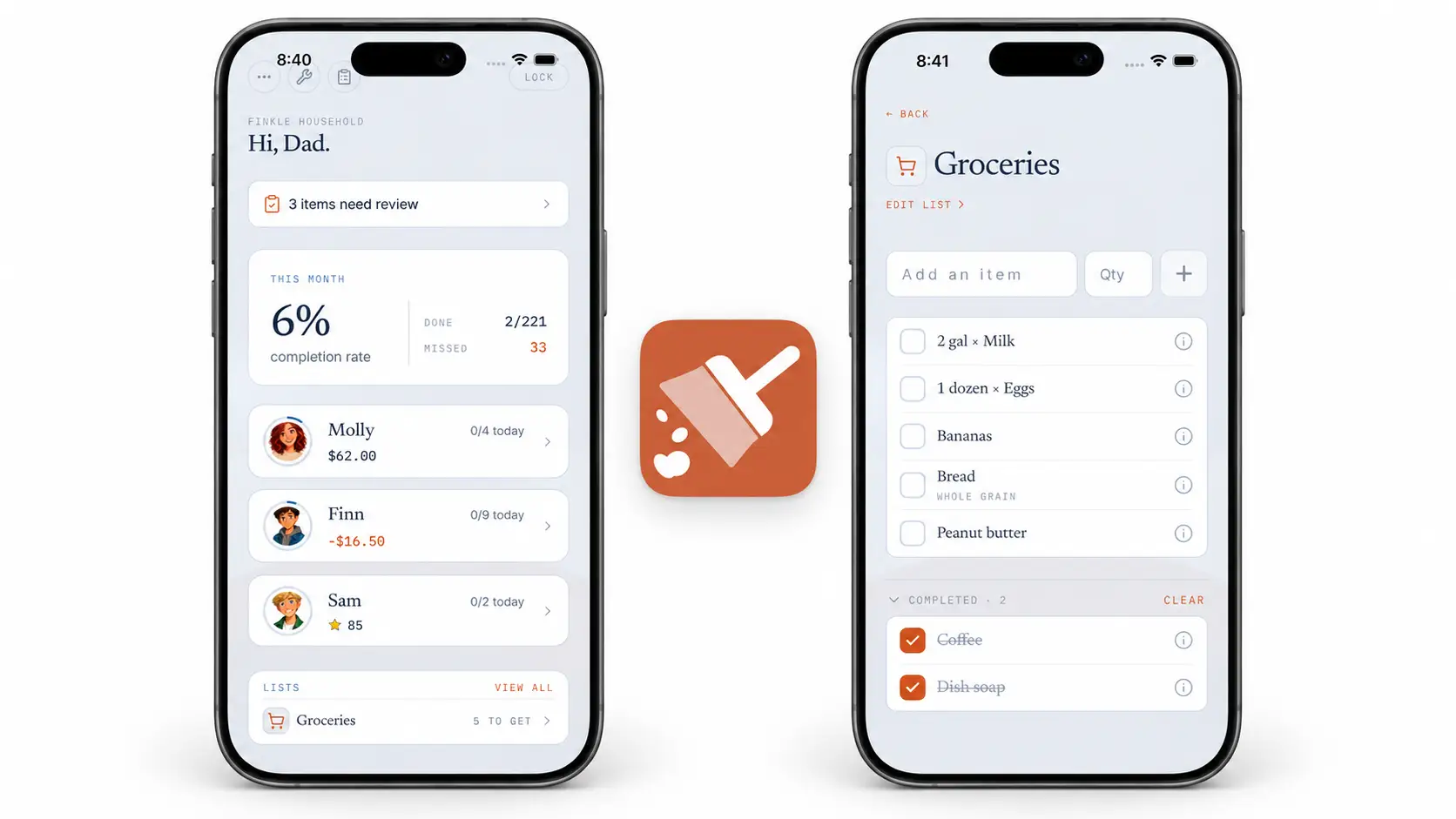
At this age, a parent will usually manage the app while the child responds to the routine, pictures, and rewards. Xtra Hands lets families create recurring and one-time chores, track stars, money, or custom rewards, and keep preschool jobs alongside everyone else's responsibilities.
As the child grows, the same household system can support more independence instead of requiring a new chart every year. Xtra Hands works across iOS and Android for mixed-device families, and the first member gets every feature free with no trial deadline.
Frequently asked questions
Can a 4-year-old do chores?
Yes. Many four-year-olds can complete simple, familiar tasks such as putting toys away, carrying napkins, placing clothes in a hamper, and helping feed a pet. They still need teaching, reminders, and nearby adult supervision.
What are good chores for a 5-year-old?
Good choices include helping make the bed, setting out safe table items, sorting laundry, matching socks, watering plants, wiping small spills, and helping prepare a backpack. Choose jobs that match the child's experience and your home's setup.
Should a preschooler's chores be on a chart?
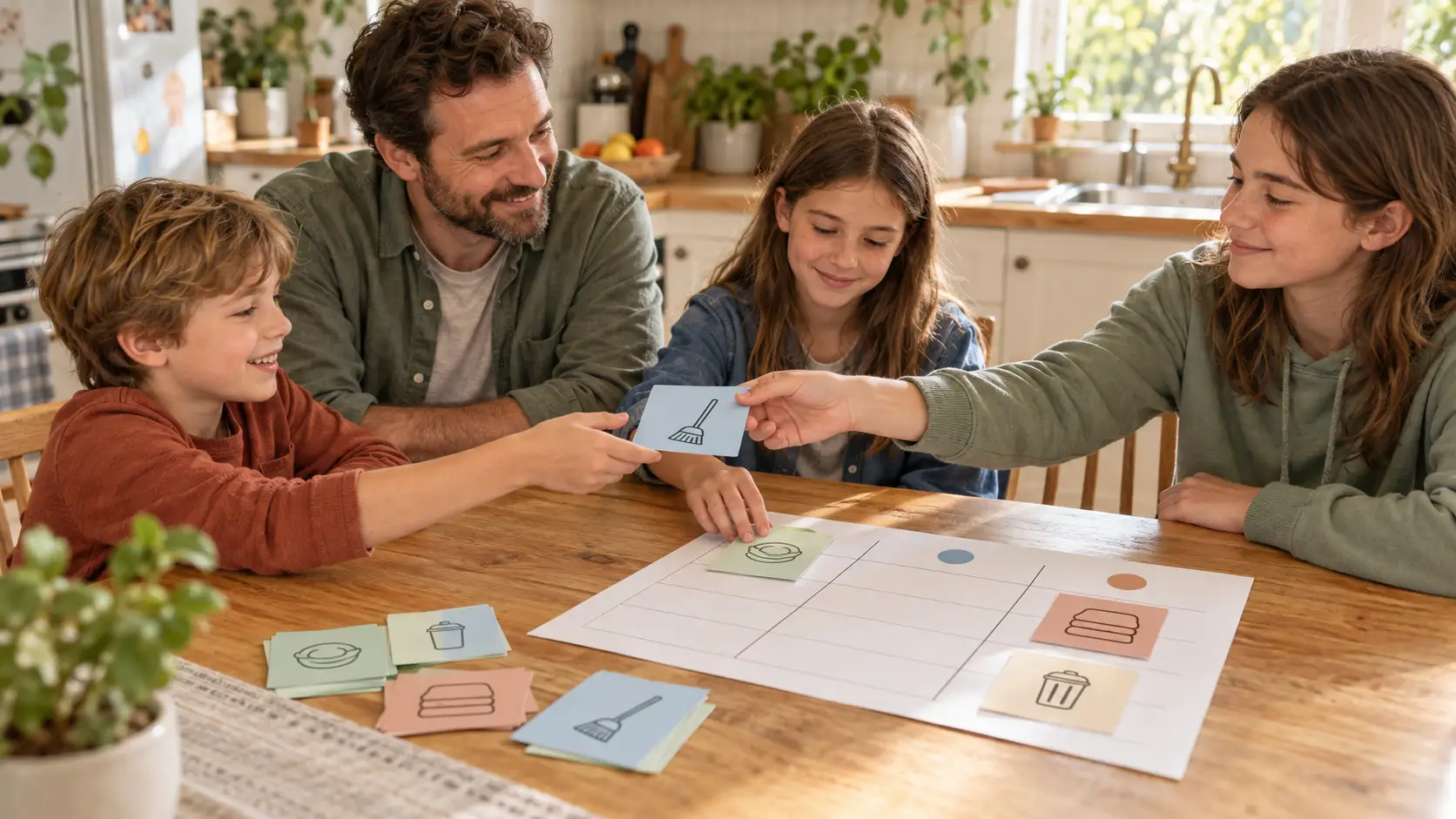
A simple visual chart can help, especially if it uses pictures and only shows a few tasks. The chart should reduce verbal reminders, not become another complicated job for the child to manage.
How long should chores take at this age?
Most individual preschool chores should take only a few minutes. A longer cleanup can be divided into categories or completed beside an adult. Stop before fatigue turns every task into a battle.
What comes after preschool chores?
Once these jobs become easy, add a step rather than simply adding more chores. A child who places napkins can begin setting a full safe place setting. A child who sorts socks can start putting them in a drawer. Then continue with our guide to chores for ages 6-8.
Start with one small family job
Pick one task your child can practice this week. Make it useful, safe, and easy to understand. Show the steps, do it together, and praise the contribution rather than the polish.
Those small jobs teach a powerful lesson: this home belongs to all of us, and everyone can help. When you are ready to organize the routine, start with Xtra Hands.